


 1115 Kundenrezensionen
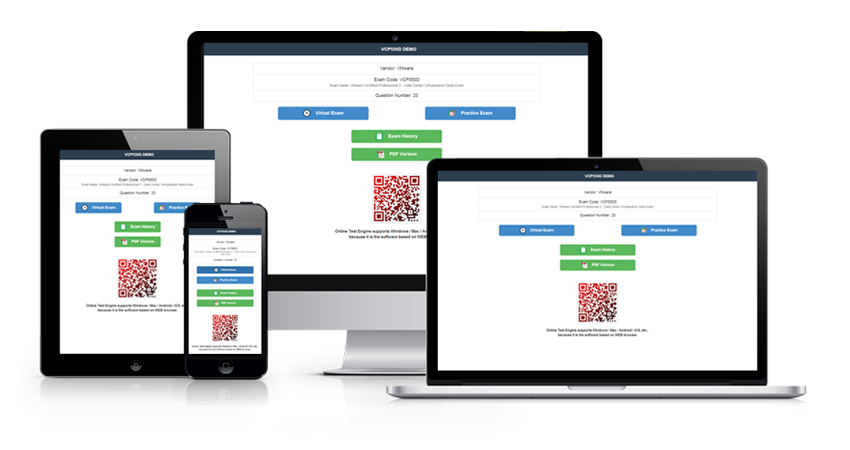
 Ob druckbare PDF, Desktop-Testengine oder Online-Testengine – PrüfungFrage bietet die 400 Prüfungsfragen zu Google Certified Professional - Cloud Developer in drei Formaten an. So lernen Sie für die Professional-Cloud-Developer Prüfung genau so, wie es zu Ihrem Alltag passt.
Google Professional-Cloud-Developer Prüfungsübersicht:
| Zertifizierungsanbieter: | Google Cloud |
|---|---|
| Prüfungsname: | Google Certified Professional - Cloud Developer |
| Prüfungsnummer: | Professional-Cloud-Developer |
| Verfügbare Sprachen: | Englisch, Japanisch |
| Verwandte Zertifizierungen: | Google Cloud Certified - Professional Cloud Architect Google Cloud Certified - Professional Cloud DevOps Engineer Google Cloud Certified - Associate Cloud Engineer |
| Prüfungsgebühr: | $200 USD |
| Prüfungsdauer: | 120 Minuten |
| Anzahl der Fragen: | 50-60 |
| Prüfungsformat: | Multiple Select, Multiple Choice |
| Gültigkeitsdauer des Zertifikats: | 2 Jahre |
| Beispielfragen: |  |
| Prüfungsmethode: | Online beaufsichtigt oder vor Ort in einem Testzentrum |
| Voraussetzungen: | Keine formalen Voraussetzungen. Empfohlene Erfahrung: Mindestens 3 Jahre Branchenerfahrung, davon mindestens 1 Jahr in der Konzeption und Verwaltung von Lösungen mit Google Cloud. |
| Offizielle Syllabus-URL: | https://cloud.google.com/learn/certification/cloud-developer |
Google Professional-Cloud-Developer Prüfungsthemen:
| Abschnitt | Ziele |
|---|---|
| Skalierbare, verfügbare und zuverlässige Cloud-native Anwendungen konzipieren | - Hochperformante Anwendungen und APIs konzipieren
|
| Überwachung der Anwendungsleistung verwalten | - Anwendungen überwachen und Fehler beheben
|
| Anwendungen bereitstellen | - Anwendungen in Google Cloud bereitstellen
|
| Anwendungen mit Google Cloud-Diensten integrieren | - Integration mit Daten- und Speicherdiensten
|
| Anwendungen erstellen und testen | - Entwicklungsumgebungen verwalten
|
Antworten auf häufig gestellte Fragen zur Professional-Cloud-Developer Prüfung
Die Prüfung Professional-Cloud-Developer (Google Certified Professional - Cloud Developer) ist die offizielle Zertifizierungsprüfung von Google. Nach dem Bestehen erhalten Sie die Zertifizierung Cloud Developer auf der Stufe Professional. Sie steht außerdem im Zusammenhang mit folgenden Zertifizierungen: Google Cloud Certified - Professional Cloud Architect, Google Cloud Certified - Associate Cloud Engineer, Google Cloud Certified - Professional Cloud DevOps Engineer. Mit den 400 Übungsfragen von PrüfungFrage bereiten Sie sich gezielt auf alle Anforderungen dieser Prüfung vor.
Die Professional-Cloud-Developer Prüfung umfasst 50-60 Fragen, die Sie innerhalb von 120 Minuten beantworten. Planen Sie pro Frage nur ein knappes Zeitbudget ein und markieren Sie unsichere Aufgaben, statt zu lange an ihnen festzuhängen – so vermeiden Sie Zeitdruck am Ende der Prüfung. Trainieren Sie dieses Tempo vorab mit der Testengine von PrüfungFrage: Ein kompletter Durchlauf der 400 Übungsfragen unter Zeitbedingungen zeigt Ihnen zuverlässig, ob Ihr Arbeitstempo für die echte Prüfung ausreicht.
Keine formalen Voraussetzungen. Empfohlene Erfahrung: Mindestens 3 Jahre Branchenerfahrung, davon mindestens 1 Jahr in der Konzeption und Verwaltung von Lösungen mit Google Cloud. Verbindliche und stets aktuelle Details zu den Teilnahmebedingungen finden Sie auf der offiziellen Prüfungsseite von Google.
Ja. Laden Sie zunächst die kostenlose PDF-Demo zu Google Certified Professional - Cloud Developer herunter und prüfen Sie in Ruhe Aufbau und Qualität der Fragen. Nach dem Kauf profitieren Sie zusätzlich 365 Tage lang von kostenlosen Aktualisierungen: Sobald sich der Fragenbestand ändert, erhalten Sie die neue Version automatisch. Nach Ablauf des ersten Jahres verlängern Sie den Update-Service mit 50 % Rabatt.
Sollten Sie die zugehörige Prüfung innerhalb von 60 Tagen nach dem Kauf nicht bestehen, erstattet PrüfungFrage Ihnen den vollständigen Kaufpreis zurück. Voraussetzungen dafür: Der Prüfungsversuch darf frühestens 3 Tage nach dem Kauf stattfinden; kostenlose Materialien, abgelaufene Bestellungen sowie Fälle, in denen das Produkt zwar heruntergeladen, aber keine Prüfung abgelegt wurde, sind ausgeschlossen; der Name des Prüflings muss mit dem Namen des Zahlenden übereinstimmen. Reichen Sie innerhalb von 2 Tagen nach der Prüfung eine eingescannte Anmeldebestätigung (Enrollment Slip) und das offizielle Score Report als PDF ein – die Bearbeitung erfolgt innerhalb von 7 Tagen. Alternativ können Sie statt der Rückerstattung kostenlos zwei gleichwertige Prüfungsmaterialien wählen und behalten dabei den Update-Service für Ihr ursprünglich gekauftes Produkt. Die Lieferung selbst erfolgt unmittelbar nach der Zahlung: Ihr Download steht sofort bereit, zusätzlich erhalten Sie die Dateien innerhalb einer Minute per E-Mail. Sollte nach 2 Stunden nichts angekommen sein, wenden Sie sich bitte an unseren Kundenservice. Eine Begrenzung der Anzahl der Installationen gibt es nicht.
Die Professional-Cloud-Developer Prüfung gliedert sich in 5 Themenbereiche. Zu den gewichtigsten zählen:
- Skalierbare, verfügbare und zuverlässige Cloud-native Anwendungen konzipieren
- Anwendungen mit Google Cloud-Diensten integrieren
- Überwachung der Anwendungsleistung verwalten
Die vollständige Gliederung aller Bereiche mit den jeweiligen Gewichtungen finden Sie in der Prüfungsübersicht weiter oben auf dieser Seite.
Google Certified Professional - Cloud Developer Professional-Cloud-Developer Prüfungsfragen mit Lösungen
Frage #1
You are developing an application component to capture user behavior data and stream the data to BigQuery. You plan to use the BigQuery Storage Write API. You need to ensure that the data that arrives in BigQuery does not have any duplicates. You want to use the simplest operational method to achieve this. What should you do?
A. Configure a Kafka cluster. Use a primary universally unique identifier (UUID) for duplicate messages.
B. Create a write stream in the default type.
C. Create a write stream in the committed type.
D. Configure a Pub/Sub topic. Use Cloud Run functions to subscribe to the topic and remove any duplicates.
Frage #2
You are developing a scalable web application for internal users. Your organization uses Google Workspace. You need to set up authentication to the application for the users, and then deploy the application on Google Cloud. You plan to use cloud-native features, and you want to minimize infrastructure management effort. What should you do? (Choose two.)
A. Configure Identity Aware Proxy, and grant the roles/iap.httpsResourceAccessor IAM role to the users that need to access the application.
B. Containerize the application, and deploy it as a Cloud Run service.
C. Create a Compute Engine VM, configure a web server, and deploy the application in a VPC.
D. Configure Cloud SQL database with a table containing the users and password hashes. Add an authentication screen to ensure that only internal users can access the application.
E. Configure Identity Aware Proxy, and grant the roles/iap.tunnelResourceAccessor IAM role to the users that need to access the application.
Frage #3
You are developing a short-term image hosting service where end users around the world can upload images that are up to 20MB, and the images will be automatically deleted after 10 days.
You need to determine how the images should be stored while minimizing cost. How should you store the images?
A. Write the images to Firestore. Deploy a Cloud Scheduler-invoked Cloud Run service that queries for documents written 10 days prior to today and deletes them.
B. Write the image to a Cloud Storage bucket. Create a lifecycle configuration that deletes objects
10 days older than their creation date.
C. Write the images to Bigtable. Configure a garbage collection policy for the column family that deletes cells 10 days older than their creation date.
D. Write the images to Spanner. Configure a row deletion policy on the table that deletes rows 10 days older than their creation date.
Frage #4
You are a developer working with the CI/CD team to troubleshoot a new feature that your team introduced. The CI/CD team used HashiCorp Packer to create a new Compute Engine image from your development branch. The image was successfully built, but is not booting up. You need to investigate the issue with the CI/CD team. What should you do?
A. Check Compute Engine OS logs using the serial port, and check the Cloud Logging logs to confirm access to the serial port.
B. Install Packer locally, build the Compute Engine image locally, and then run it in your personal Google Cloud project.
C. Create a new feature branch, and ask the build team to rebuild the image.
D. Shut down the deployed virtual machine, export the disk, and then mount the disk locally to access the boot logs.
Frage #5
You maintain a CI/CD pipeline for an application running on GKE. You use Cloud Build to create container images and push the images to Artifact Registry. When you build the image, you use the latest tag in your pipeline.
You recently had to roll back a deployment 24 hours after rollout. The rollback process was difficult because the latest tag had been overwritten. You need to prevent this issue in the future.
You want to use the most efficient approach. What should you do?
A. Build a separate Docker image for each new version of the application, and tag it with the version number.
B. Rebuild the Docker image for each environment, and tag it with the specific environment name.
C. Use a Docker registry to store the container images, and create separate repositories for each version of the application.
D. Implement Helm charts to manage your container deployments.
Fragen und Antworten:
| Frage #1 Antwort: B | Frage #2 Antwort: A,B | Frage #3 Antwort: B | Frage #4 Antwort: B | Frage #5 Antwort: A |
















Meinecke -
Ziemlich gut für Studium und Prüfungsvorbereitung. Ich habe die Prüfung in Juni zum ersten Mal abgelegt und bestanden. Ich bin sehr zufreiden mit dieser Wahl. Vielen Dank!